In April 1953, eleven-year old Brian McLaughlin wrote to psychiatrist Fredric Wertham in response to the latter’s article in Reader’s Digest, “Comic Books – Blueprints for Delinquency.” The boy asserted confidently: “Anybody that goes out and kills someone because he read a comic book is a simple minded idiot. Sound silly? So does your item.” McLaughlin was not the only young person to critique Wertham’s argument about comics: dozens more wrote him in 1953 and 1954.
In the late 1940s and culminating in 1954 with the publication of Wertham’s book Seduction of the Innocent and the televised hearings on comics held by a United States subcommittee, comic books were the most contested form of print. Young readers could not get enough of them, purchasing more than a billion new comic books issues a year in the early 1950s. Adult critics such as Wertham feared, that by reading these four-color pamphlets full of stories of superheroes, cowboys, and jungle queens, young people would stunt their cultural development, ruin their eyesight, and fall into lives of depravity.
This presentation draws in part from Wertham’s manuscript collection at the Library of Congress and the archival record of the 1954 Senate hearings to document and analyze some of the ways young readers challenged and protested adults’ understanding of comic book reading. Carol Tilley, Assistant Professor at the University of Illinois at Urbana-Champaign, did not expect to find letters from young comics readers when she explored these collections. The discovery of these narratives has prompted me to extend this investigation into locating more descriptions of children’s reading experiences – many of which are unfiltered and unmediated by adults—that can serve as potent evidence to enrich scholarship in children’s print culture.”
Biography
Carol L. Tilley is an Assistant Professor in the Graduate School of Library and Information Science at the University of Illinois Urbana-Champaign, where she teaches courses in comics’ reader’s advisory, media literacy, and youth services librarianship. Part of her scholarship focuses on the intersection of young people, comics, and libraries, particularly in the United States during the mid-twentieth century. Her research has been published in journals including the Journal of the American Society for Information Science and Technology (JASIST), Information & Culture: A Journal of History, and Children’s Literature in Education. A former high school librarian, she is also co-editor of School Library Research, the peer-reviewed online journal of the American Association of School Librarians.
Select Articles Available at UBC Library
Peoples, B. & Tilley, C. (2011). Podcasts as an Emerging Information Resource. College & Undergraduate Libraries, 18:1, 44-57. Link: http://www.tandfonline.com/doi/abs/10.1080/10691316.2010.550529#.UcCe8ueG2Sp
Tilley, C. (2012). Seducing the Innocent: Fredric Wertham and the Falsifications That Helped Condemn Comics. Information & Culture: A Journal of History, Volume 47, Number 4, 2012, 383-413. Link: http://muse.jhu.edu/journals/libraries_and_culture/v047/47.4.tilley.html
UBC Library Research Guides:
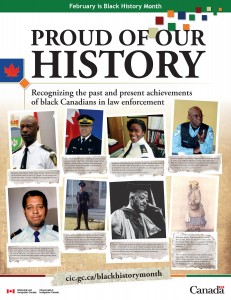 Every year, Canadians are invited to participate in Black History Month festivities and events that honour the legacy of black Canadians, past and present. Canadians take this time to celebrate the many achievements and contributions of black Canadians who, throughout history, have done so much to make Canada the culturally diverse, compassionate and prosperous nation it is today. During Black History Month Canadians can gain insight into the experiences of black Canadians and the vital role this community has played throughout our shared history.


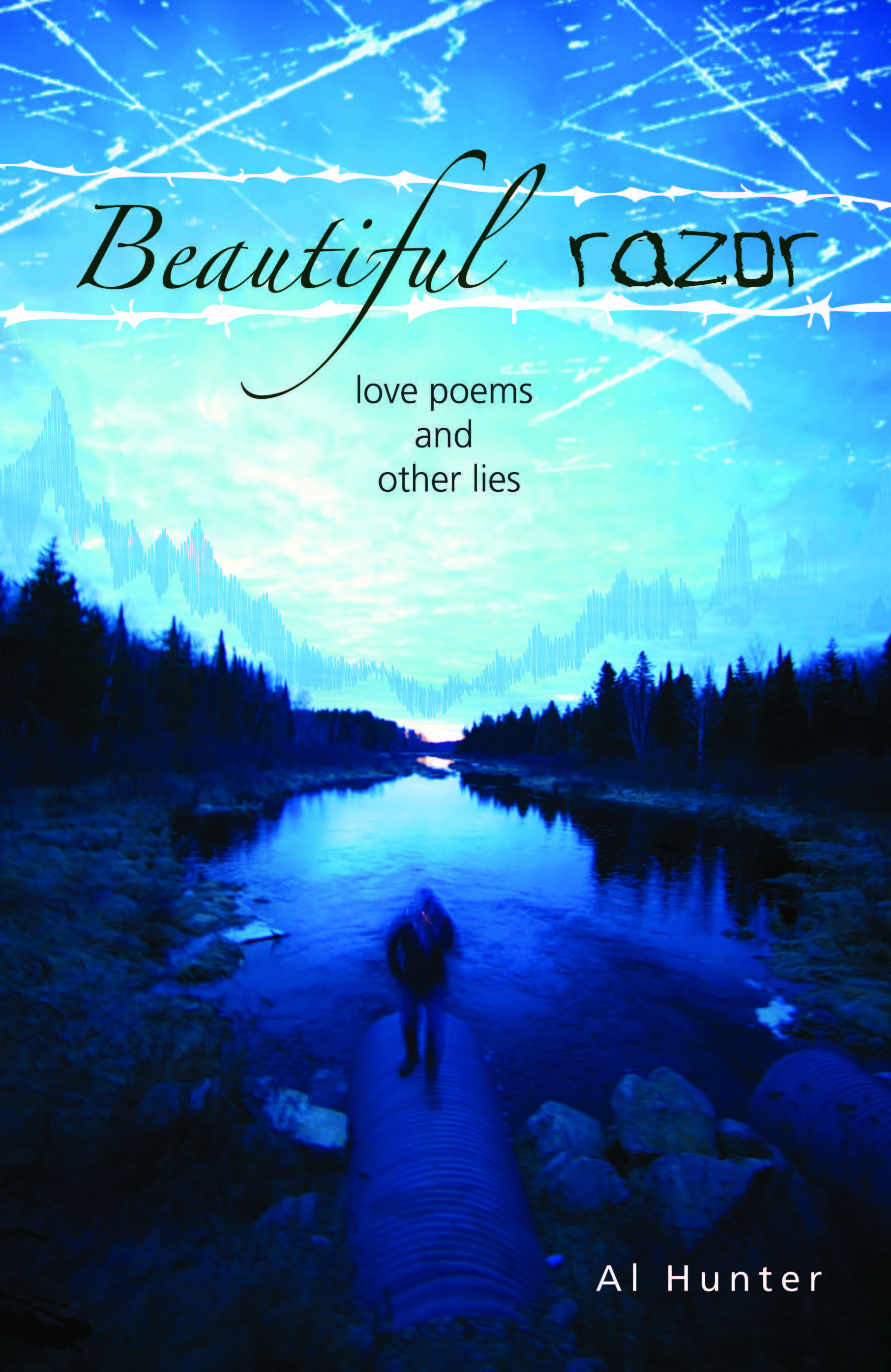


 They have no maps. Ours, I’ll redraw.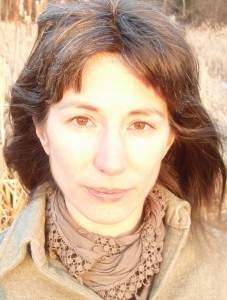
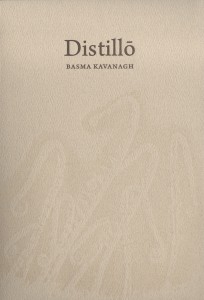 Basma Kavanagh’s debut collection, Distillō, engages the natural world and seeks to explore our relationship to it. Hers is a poetics of description which subverts scientific observation and the authoritative language of nomenclature for mythopoetic ends. In the opening section (“Moisture”), precipitation is dissected and categorized, but ultimately the deluge of “rain making rain, /making rain” overwhelms controlled interrogation and undulating imagery saturates everything. Nomenclature reappears elsewhere in the book, attempting to anchor object poems about west-coast flora and fauna–salmon, elk, bear, bigleaf maple, bog myrtle–which otherwise drift toward the mythworld and gesture in the direction of the ethereal and the totemic. Understanding that language can be most precise when it harbours ambiguity and surprise, Kavanagh experiments with pattern poems and the layering of multiple voices in her attempt to express “a fullness /an absence /of self.” This is a book which turns over rocks and looks under them in search of truth in its soft, damp hiding places, poems which instruct us to “[d]escend. Blend /your knowing with the breath of earth”.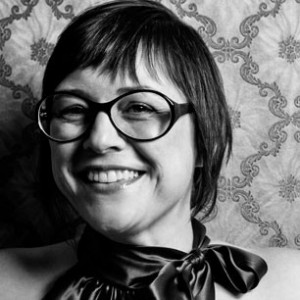
 On February 27, 2012, 12.00PM-1.00PM, the School of Library, Archival, and Information Studies (SLAIS) will be hosting Anabel Quan-Haase for her talk “Serendipity Models: How We Encounter Information and People in Digital Environments” at the Lillooet Room, Room 301 of the Irving K. Barber Learning Centre.